Photo taken inside the ISS on Aug 6, 2018
3D Printing in Space
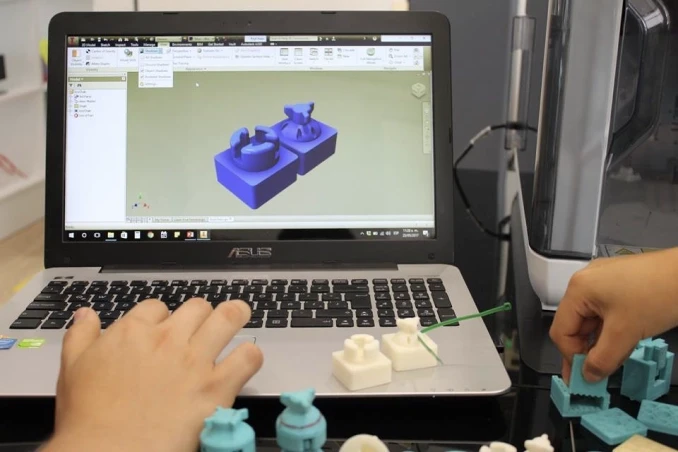
In 2017, I led a team that designed a connector for securing tools in a spacecraft. We won the contest, and our design was 3D printed aboard the International Space Station (ISS) in August 2017.
Role
Lead Designer
Team
4 Designers
Timeline
2 Months
Design considerations


Human Factors
Needs to be easy to use, no guidelines or explanations needed. You don't need to think about Velcro, it just works. We wanted our design to work like that.
Result: Astronaut retrieving the printed parts in the ISS
Peggy Whitson aboard the ISS, 2017.
Approach
Research the real context
Reviewed ISS footage to see how astronauts actually handle tools. Noted frequent use of zip-ties to use as a practical anchor.
Design for human affordances
Used the “right-hand rule” so tightening feels instinctive (same direction as bottles/screws).
Engineer for space constraints
Minimise material without compromising strength. Designed for in-situ 3D printing.
Quick iteration
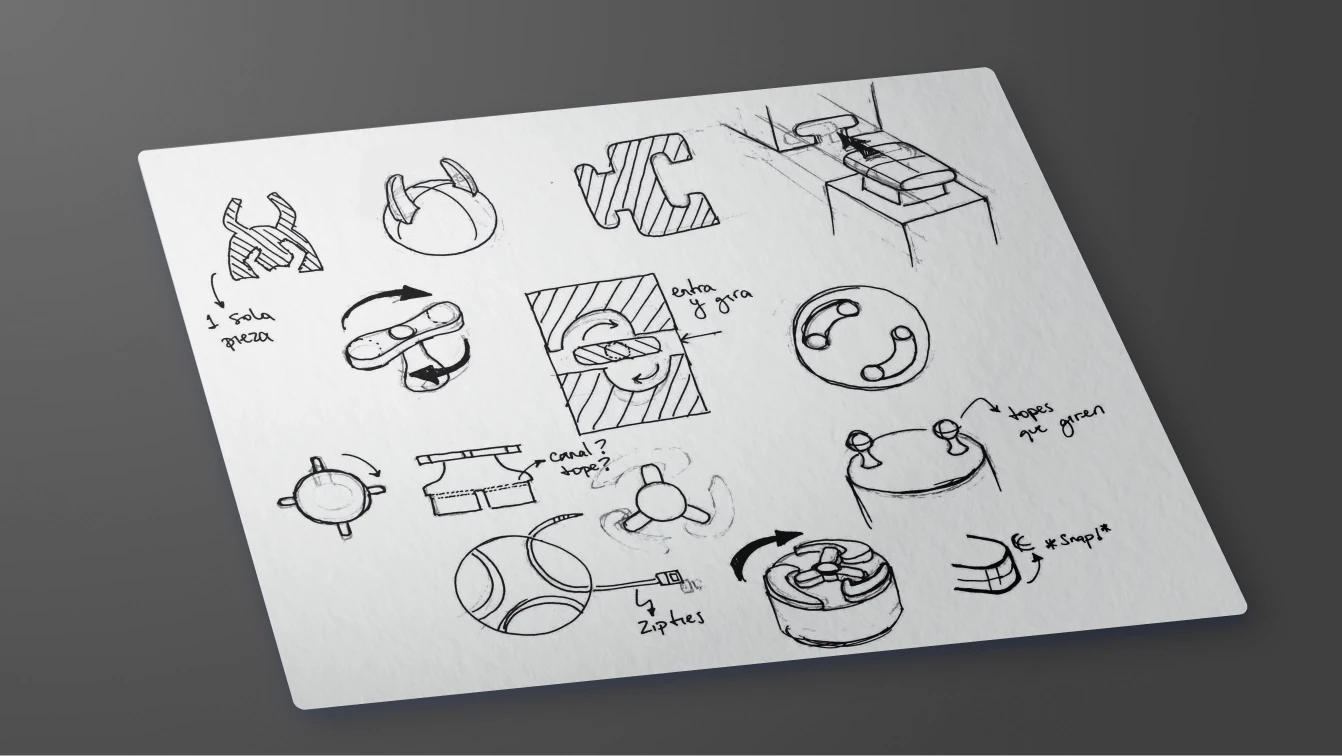
Over 15+ tests to arrive to the final form.
Right-Hand Rule
The connector was designed using the "right-hand rule," which aligns with the intuitive human tendency to tighten screws and bottle caps by turning them to the right.
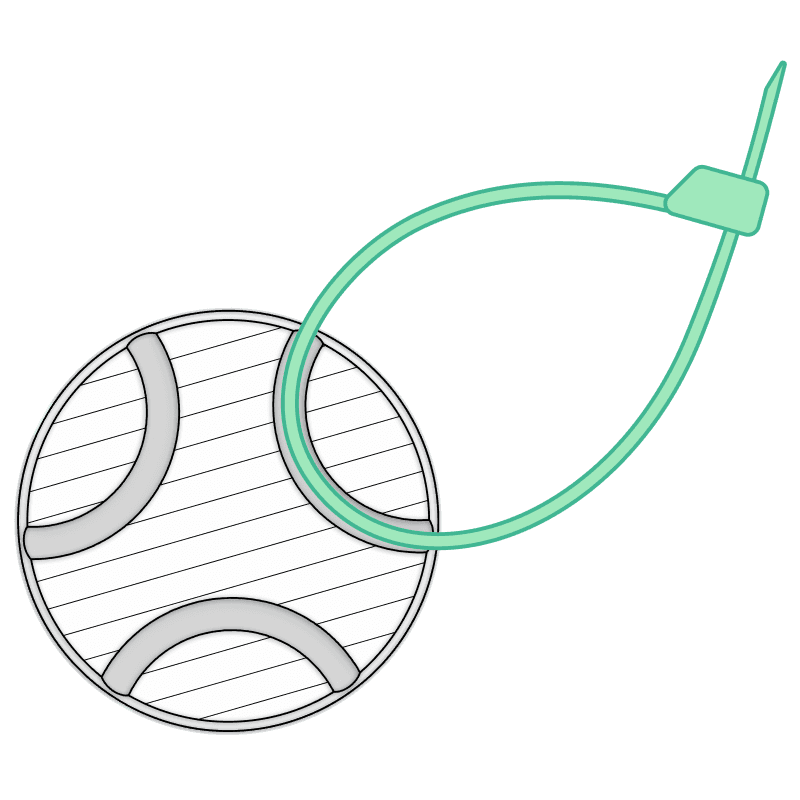
Zip-Tie Integration
Incorporated features allowing astronauts to use readily available zipties to secure tools quickly and effectively.
Useful Life
Minimal material usage without compromising strength, incorporating cavities to reduce weight while maintaining structural integrity.